Top Garage Door Accessories for Security-Conscious Homeowners
@elliotmexx806
November 2, 2026 · 16 min read
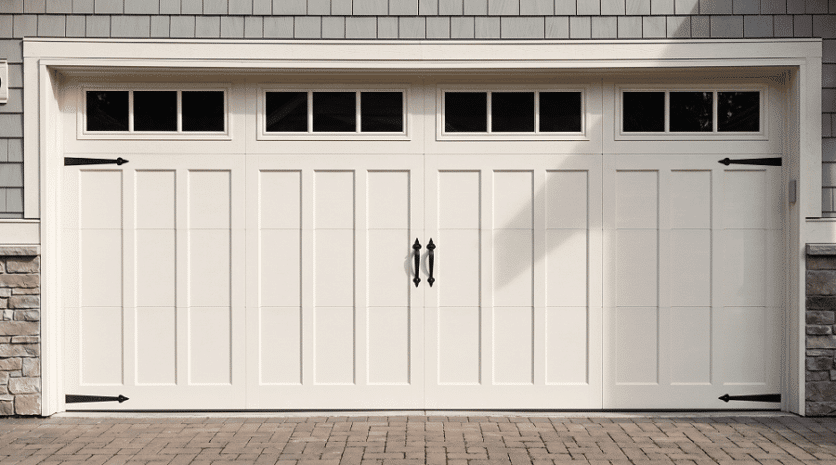


A garage door is often the largest moving entry point in a home, and for many households, it is also the easiest one to overlook. Front doors get upgraded deadbolts, video doorbells, and reinforced strike plates. Side gates get padlocks. Windows get sensors and stickers. The garage, meanwhile, is too often left with a basic opener and a lot of trust.
That gap matters. In practical terms, the garage can offer direct access to vehicles, tools, bikes, seasonal equipment, and, in many homes, an interior door that leads straight into the kitchen or mudroom. I have seen homeowners spend thousands hardening the front of the house while leaving the garage with a flimsy emergency release cord visible through a top panel window and an opener that had not been reprogrammed in a decade. Security problems in garages are rarely dramatic. They are usually ordinary, preventable, and tied to Garage Door Accessories little details.
The best Garage Door Accessories do not turn a house into a bunker. They close off common weak points, improve visibility, and make daily habits safer and more reliable. The right accessories also fit the way people actually live. If a security upgrade is annoying enough to disable, prop open, or bypass, it is not a good upgrade.
Where garage security usually fails
Most garage break-ins do not start with somebody defeating a sophisticated system. They start with convenience, neglect, or an exposed weak spot. An old remote left in an unlocked car is one example. A disengaged side lock never used because it is awkward is another. So is a garage service door with a cheap knob lock and no lighting nearby.
The garage door itself may be structurally sound and still have vulnerabilities around it. I often think of garage security as a chain of small decisions rather than one big product choice. The opener matters, yes, but so do motion lights, battery backup, shielded emergency release hardware, smartphone control settings, and even where the keypad is mounted. Security-conscious homeowners tend to do better when they stop asking, “What is the best device?” and start asking, “What are the easiest ways someone could misuse what I already have?”
That shift in thinking leads to smarter accessory choices.
The quiet value of modern smart controllers
Among all Garage Door Accessories, a smart garage door controller is one of the most useful for homeowners who want awareness as much as deterrence. At its best, it does three things well. It tells you whether the door is open or closed, it lets you operate the door remotely, and it records activity so you know when something changed.
That sounds basic until you use it for a few months. People regularly leave garage doors open longer than they think. Sometimes it is after unloading groceries. Sometimes a teenager runs inside and forgets. Sometimes the door closes partway and reverses because a sensor was bumped. A smart controller catches those moments quickly.
The security benefit is not just remote operation. It is timely information. If the system alerts you that the garage door opened at 11:40 a.m. While nobody should be home, that is actionable. If it reminds you after ten minutes that the door is still open, that prevents exposure. The best systems also support user permissions, which is useful if you want a dog walker or neighbor to have limited access without handing over a permanent remote.
There are trade-offs. A smart controller only helps if the home network is stable and the app is configured properly. I have seen homeowners install a capable unit and then leave default settings untouched, never enabling alerts or password protection. Use multi-factor authentication if available. Disable old users when they no longer need access. If the system stores video or logs in the cloud, read the privacy settings instead of skipping through setup screens.
For households with frequent deliveries, contractors, or teenagers coming and going at odd hours, a smart controller earns its keep quickly. For households that prefer less app dependence, it may still be worth installing simply for door status alerts and history.
Wireless keypads are useful, but placement matters
A wireless keypad is one of those accessories people often treat as pure convenience. It is convenient, but if used thoughtfully, it also improves security. It reduces the need to leave remotes in vehicles, and that matters more than many people realize. Cars parked in driveways are common targets for opportunistic theft, especially when owners assume the garage remote is harmless.
A keypad can be safer than a visor remote if it is mounted correctly and programmed intelligently. The best location is visible enough for legitimate use but not so exposed that anyone walking by can easily observe the code being entered. Mounting it where a person has to stand in plain view of the street and slowly punch in four digits is not ideal. If there is a slight recess or side angle near the frame, that often works better.
Codes should be changed periodically, especially after service visits, home sales, tenant turnover, or changes in household relationships. Avoid obvious combinations tied to house numbers, birthdays, or repeated digits. Some newer keypads support temporary PINs, which are much better for contractors, pet sitters, or house guests than sharing a household code that never changes.
I generally recommend Garage Door Accessories the keypad for families who exercise, walk dogs, or manage school pickups without carrying keys. It removes the temptation to hide a key outside and reduces reliance on a remote clipped to a visor year after year.
Shielding the emergency release is a small upgrade with outsized value
One of the most overlooked vulnerabilities in many overhead garage doors is the emergency release mechanism. The red cord and release lever are there for an important reason. If power fails or the opener malfunctions, you need a manual override. The trouble is that on some doors, especially older ones or doors with windows near the top, that release can be manipulated from outside with a simple hook tool.
This is not a universal weakness, and I would avoid panic over it, but it is a real one. A release shield or garage door defender designed for this issue can make that type of tampering much harder. It does not disable the emergency function. It simply blocks direct access through the common fishing method that burglars sometimes use.
This accessory is inexpensive compared with many electronic upgrades, and it is a good example of practical security. It does not look impressive in a product photo. It will never be the first thing a homeowner brags about. But if your door layout allows that exploit, a small shield solves a genuine problem with very little downside.
Homeowners with attached garages should pay particular attention here. If someone can trip the release and raise the door, the rest of your home’s security now depends on the interior access door being properly secured.
Interior deadbolts and door reinforcement still matter
When people think about Garage Door Accessories, they often stop at the overhead door and opener. That is a mistake. In attached garages, the service door leading into the house is arguably the most important door in the whole setup. If it has a hollow core slab, a weak jamb, or a basic privacy lock, the garage can become a staging area for a second, easier breach.
A solid core or steel interior access door with a proper deadbolt gives you a critical second layer. Reinforcing the strike plate with longer screws driven into framing is a low-cost improvement that often matters more than homeowners expect. If there is glass nearby, think about sight lines and reach-through risk. If a person can break a pane and unlock the door from inside, the hardware quality matters less.
I have walked through homes where the garage door opener was modern and secure, but the house entry door inside the garage had a loose latch and a quarter-inch gap at the jamb. That is the kind of detail that undermines the whole setup. Accessories work best when they support a stronger overall envelope, not when they try to compensate for a weak one.
Motion-activated lighting changes behavior fast
Good lighting is one of the simplest and most effective deterrents around a garage. It helps occupants arrive safely at night, improves camera footage, and makes side approaches less attractive to intruders. Motion-activated lighting is especially effective because it responds to real activity rather than staying on all night or relying on someone to remember a switch.
Placement matters more than brightness alone. You want coverage at the driveway, the side of the garage, the service door, and any dark corner where a person could stand out of sight. Many garages have decent front lighting but a blind zone near trash bins, fencing, or side access. That is where I would start.
There is also a practical point here. Better light reduces homeowner mistakes. Keypads are easier to use. You can see whether the door fully closed. Packages are easier to identify. If you ever need police or a neighbor to review security footage, decent light often makes the difference between a useful image and a vague silhouette.
Choose fixtures with adjustable sensitivity and duration. Overly sensitive lights that trigger every time a cat passes by tend to get ignored or disabled. Security should be noticeable, not irritating.
Cameras belong at the garage, but not just anywhere
Garage-area cameras are common now, but plenty are badly positioned. A camera mounted too high often captures the top of a head and a lot of driveway. One mounted directly facing a bright street or low sun may give washed-out footage when you need detail most. And a camera that only watches the overhead door may miss the side service door, which is often a more likely target.
For most homes, the sweet spot is a camera that clearly captures faces approaching the garage and another angle, if possible, that covers the broader driveway or side passage. Video doorbells are useful, but they do not replace proper garage coverage if the garage sits apart from the front entry or wraps around the side of the home.
If you use cameras as part of a broader security system, test them at night. Daytime footage can create false confidence. Reflective license plates, headlights, and deep shadows change everything after dark. You do not need to obsess over professional-grade surveillance, but you do want enough clarity to identify a person, a vehicle, and the sequence of events.
Battery backup is more than a convenience feature
A battery backup for a garage door opener is often marketed around convenience during power outages, and that is fair. But it also has a security dimension that gets less attention. A garage that cannot open during an outage can create rushed decisions, like leaving side doors unsecured or manually disengaging systems in poor conditions. A garage that cannot close because of power loss can leave contents exposed for hours.
In areas with frequent storms, unreliable utility service, or wildfire-related shutoffs, backup power becomes a serious resilience feature. It allows the door to operate for a limited number of cycles, which is usually enough to secure the opening until normal power returns. For homeowners who use the garage as a primary entry, that continuity matters.
Not every opener supports add-on battery backup, and battery performance degrades over time, so this is not an install-and-forget purchase. Test it. Replace it according to manufacturer guidance. If the backup chirps a warning at 2:00 a.m., do not just silence it and move on. That alarm is the system telling you the feature you paid for may no longer be available when needed.
Rolling code remotes are now the baseline
If you are still using a very old garage door remote system, this is an area worth checking. Modern remotes typically use rolling code technology, which changes the access code after each use. That helps prevent code grabbing attacks that were a more realistic concern with older fixed-code systems.
For many homeowners, this is not a dramatic accessory purchase so much as a quiet modernization. If the opener is old enough that replacement remotes are generic, dip-switch based, or sourced from a dusty hardware bin, it may be time to evaluate the opener and remote ecosystem together. A secure remote is only one piece, but it is foundational.
Remotes also need disciplined handling. Avoid labeling them with your address. Do not leave them visible in parked cars. If one is lost or a vehicle is sold, erase it from the opener’s memory and reprogram the active devices. That step is routinely skipped, and it is one of the easiest ways old access stays alive longer than it should.
A garage door lock can still make sense in specific cases
Manual slide locks or vacation locks are not glamorous, but they can be useful in the right situation. They are especially sensible for homeowners who travel for extended periods, maintain detached garages with valuable tools, or want a physical lockout during seasons when the door is rarely used.
The trade-off is obvious. A manual lock can damage the opener or door if someone forgets it is engaged and tries to open the system. That makes it a poor fit for busy households with multiple users unless everyone is disciplined. In one-family homes where departures are coordinated and usage is predictable, it can be an effective extra layer.
For detached garages without interior climate concerns and with expensive equipment inside, physical secondary locks still have a place. They slow entry and force more noise and time. Those are valuable deterrents.
The accessories that deserve first priority
If a homeowner asks where to start, I usually steer them toward the accessories that improve awareness, reduce common mistakes, and close known vulnerabilities before adding more gadgets.
- Smart controller with door status alerts and activity history
- Motion-activated lighting covering the driveway and side access
- Shield or reinforcement for the emergency release if the door layout is vulnerable
- Modern rolling code remotes or opener upgrade if the current system is outdated
- Reinforced lock hardware on the door between the garage and the home
That mix addresses both electronic and physical security. It also tends to work across different home types, from suburban attached garages to detached workshops behind older homes.
When the best accessory is better maintenance
There is a point where more accessories stop helping because the underlying door system is worn, misaligned, or unreliable. A garage door that reverses unpredictably, sags off balance, or leaves visible gaps at the bottom is not just a convenience problem. It creates uncertainty, and uncertainty is bad for security. Homeowners stop trusting the system, start improvising, and sometimes leave the door partly open without realizing it.
Basic maintenance has security value. Photo eyes need to stay aligned. Weather seals should not leave large daylight gaps. The opener force settings should be correct. Hinges, rollers, and tracks should be inspected when the door starts sounding different, because unusual noise often signals mechanical issues before failure.
I have met homeowners who wanted to solve every problem with a new camera or app, when what they really needed was a service call and a fresh bottom seal. That is not exciting advice, but it is often the right advice.
A few buying mistakes worth avoiding
The accessory market around garage doors is crowded, and not every product that promises security delivers much of it. Some add complexity without reducing risk. Others solve narrow problems but are marketed as complete solutions.
A few mistakes come up repeatedly:
- Buying smart features without enabling notifications, strong passwords, or user management
- Installing cameras for property insurance peace of mind, but aiming them too high or testing only in daylight
- Keeping old remotes active after vehicle sales, tenant turnover, or lost devices
- Ignoring the interior garage-to-house door while upgrading the overhead door
- Choosing accessories that create enough friction that family members stop using them properly
That last point deserves emphasis. The best security setup is not the one with the longest feature list. It is the one your household will actually use, every day, without shortcuts.
Matching accessories to the way you live
A retired couple who rarely opens the garage after dark will not have the same needs as a family with three drivers, sports gear, and constant in-and-out traffic. A detached garage used as a workshop benefits from a different mix than an attached garage that serves as the main household entrance.
For high-traffic households, convenience-linked security matters most. That usually means a smart controller, a well-placed keypad, and solid lighting. For frequent travelers, physical backup measures like a vacation lock and stronger camera coverage may rank higher. For tool-heavy detached garages, intrusion deterrence and evidence collection often matter more than remote opening.
The most effective Garage Door Accessories are the ones chosen in response to real patterns. Think about when the garage is used, who uses it, what is stored there, and where mistakes happen now. That reveals more than any generic top-ten product list ever will.
Security-conscious homeowners do not need every accessory on the market. They need a setup that reduces exposure without creating daily headaches. Usually that means a few well-chosen upgrades, installed carefully, tested occasionally, and supported by sensible habits. When those pieces line up, the garage stops being an afterthought and starts becoming what it should have been all along, a properly secured part of the home.
Select Garage Doors
11479 Pine Dr, Parker, CO 80134, United States
+1 303-228-0018
FAQ About Garage Door Accessories
What are garage door parts called?
Common door components include panels, hinges, rollers, tracks, springs, cables, and weather seals. The opener is a separate operating system, with accessories such as remotes, keypads, and compatible smart controls. Identify the door and opener model before choosing a part; springs, cables, and other loaded components should be assessed and serviced by a trained garage door technician.
What garage door supplies do I need?
The right supplies depend on the problem or upgrade you want to address. Common accessories include replacement remotes, wireless keypads, weather seals, decorative handles and hinges, and compatible smart controls. Check model compatibility and the manufacturer's instructions before buying. A technician can inspect the system and recommend suitable accessories without replacing otherwise serviceable equipment.
Where can I find garage door accessories in Parker?
Select Garage Doors supplies and installs garage door accessories for Parker homeowners. Contact the company with your opener brand and model, door details, and the upgrade you want so it can confirm compatibility, availability, pricing, and installation requirements. Confirm collection or appointment arrangements before visiting.